
Data Integrity and Privacy - Compliance with 21 CFR Part 11, SaaS/Cloud, EU GDPR in 2026
In 2026, data integrity and privacy risks don’t sit in one department—they show up anywhere regulated data is created, reviewed, transferred, or relied on across the life sciences ecosystem (quality, IT, validation, labs, clinical operations, manufacturing, and vendor/supplier teams). The underlying expectation behind 21 CFR Part 11 is that electronic records and e-signatures remain trustworthy and controlled when they’re created, modified, maintained, retrieved, or transmitted under FDA record requirements.
What’s raising the stakes is the modern operating model: SaaS platforms, cloud hosting, remote access, integrations/APIs, and vendor support logins. That’s where common breakdowns happen—unclear roles/permissions, excessive admin rights, weak password controls, incomplete audit-trail review, uncontrolled exports, and SOP gaps where day-to-day practice drifts from written procedure.
FDA warning letters and related compliance records repeatedly point to these same themes in real operations—such as analysts retaining administrative privileges, audit trails not enabled or not effectively used, and gaps in backup/completeness controls for laboratory data. They also highlight investigation failures like invalidating original failed results without a scientifically sound root cause and leaning on “passing” retests—exactly the kind of pattern that becomes difficult to defend when electronic records, audit trails, and access controls don’t support transparent review.
The goal isn’t more complexity—it’s clearer governance, clearer controls, and evidence you can stand behind during inspections. FDA guidance is explicit that audit trails are part of the record and should be reviewed in a way that aligns with the required record-review frequency, and EU GMP Annex 11 reinforces expectations around validation/risk management for computerized systems used in GMP activities. On the privacy side, GDPR adds real exposure around accountability and third-party processing (including potentially significant administrative fines for serious infringements).
This timely webinar, led by industry expert David Nettleton, aims to provide life sciences professionals with practical knowledge, strategies, and tools to navigate the complex landscape of data integrity and privacy compliance—focused specifically on 21 CFR Part 11, SaaS/Cloud considerations, and EU GDPR requirements.
- Which data and systems are subject to Part 11 and Annex 11
- How to write a Data Privacy Statement
- What the regulations mean, not just what they say
- Avoid 483 and Warning Letters
- Requirements for local, SaaS, and cloud hosting
- Understand the current industry standard software features for security, data transfer, audit trails, and electronic signatures
- How to use electronic signatures, ensure data integrity, and protect intellectual property
- SOPs required for the IT infrastructure
- Product features to look for when purchasing COTS software
- Reduce validation resources by using easy to understand fill-in-the-blank validation documents.
You should attend because in 2026 the “failure modes” for data integrity and privacy are rarely dramatic—they’re usually everyday workflow gaps (permissions, admin access, audit-trail review, reanalysis handling, uncontrolled exports, vendor access) that quietly accumulate until an inspection or audit forces a painful, time-consuming cleanup. This session helps you recognize those weak points early and frame them in the language regulators expect.
You’ll also benefit if your environment is hybrid (local systems + SaaS/cloud + spreadsheets + vendor portals). The webinar is designed to connect what Part 11 / Annex 11 require with how teams actually operate, so Quality, IT, Validation, and operational groups can align on practical controls and SOP expectations—without turning your program into an overbuilt, never-ending validation project.
Finally, you’ll leave with a clearer, more defensible approach to electronic records/e-signatures and data privacy basics that supports day-to-day decision making and vendor conversations—so you can reduce inspection risk, avoid avoidable findings, and respond faster when questions come up.
This webinar is designed for life sciences teams responsible for governing, validating, operating, or auditing computerized systems and regulated data—especially where electronic records/e-signatures, SaaS/cloud hosting, and privacy obligations intersect. Those include:
- Quality Assurance (QA) Managers / Directors
- Quality Systems (eQMS/QMS) Managers
- Compliance Managers / Directors (GxP Compliance)
- Data Integrity Program Leads / Data Integrity Managers
- CSV / CSA Managers and Computer System Validation (CSV) Specialists
- Validation Engineers / Validation Leads (IT/Automation/Systems)
- Quality IT / IT Quality Managers
- IT Managers supporting GxP systems
- GxP System Owners (LIMS, QMS, EDMS, MES, ERP, ELN)
- Laboratory Managers / QC Laboratory Supervisors
- QC Analysts / Lab Analysts working with electronic data systems (e.g., CDS/LIMS)
- Manufacturing Quality / Operations Quality Managers
- Regulatory Affairs Professionals involved in electronic records governance
- Clinical Operations / Clinical Quality Professionals managing electronic trial records
- Pharmacovigilance / Safety Operations leaders handling regulated case data
- Information Security / GRC Managers supporting regulated environments
- Privacy Officers / Data Protection Leads (life sciences)
- Vendor/Supplier Quality Managers overseeing SaaS/Cloud providers and data processors
- Internal Auditors / Quality Auditors (GxP, IT, Data Integrity)
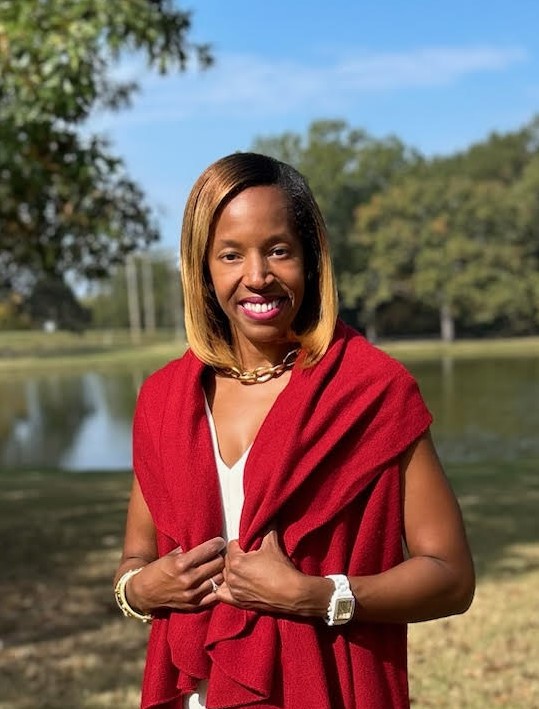
Carolyn Troiano has more than 35 years of experience in computer system validation in the tobacco, pharmaceutical, medical device and other FDA-regulated industries. She has worked directly, or on a consulting basis, for many of the larger pharmaceutical and tobacco companies in the US and Europe. She is currently building an FDA computer system validation compliance strategy at a vapor company. Carolyn has participated in industry conferences, and is currently active in the Association of Information Technology Professionals (AITP), and Project Management Institute (PMI) chapters in the Richmond, VA area. Carolyn also volunteers for the PMI’s Educational Fund as a project management instructor for non-profit organizations.
Upcoming Webinars




By Carolyn Troiano
Validation of FDA-Regulated Medical Device and SaMD Products Using AI, ML, and LLMs, such as ChatGPT
Date: May 15, 2026

By Paul J. Cline
Date: May 18, 2026
By Duncan Williamson
Date: May 18, 2026


By Dev Strischek
Date: May 18, 2026
By Dr. Susan Strauss
Date: May 19, 2026
By Mark Gorkin
Date: May 19, 2026
By Beverly Beuermann-King
Date: May 19, 2026
By Ritu Arora
Date: May 19, 2026


By Dr. Susan Strauss
Date: May 20, 2026
By David Nettleton
Date: May 20, 2026

By Dr. B. Lynn Ware
Date: May 21, 2026

By Diane L. Dee
Date: May 21, 2026

By Aimee Bernstein
Date: May 22, 2026

By Richard E Cascarino
Date: May 22, 2026



By Marcia Zidle
Date: May 28, 2026

By Margie Faulk
DOL Reverses Course on Independent Contractor Rule for 2026! How Will Employers Adapt to the Change?
Date: June 1, 2026


By Allen Evitts
Date: June 5, 2026


By Elaine Eisenbeisz
Date: June 8, 2026
By Paul Pelletier
Date: June 9, 2026
By Marcia Zidle
Date: June 9, 2026
By Beverly Beuermann-King
Date: June 9, 2026

By Edwin Waldbusser
Recorded Session

By Dr. Susan Strauss
Recorded Session
By Bruce Lee
Recorded Session
By Marcia Zidle
Recorded Session

By Deb Schaffer
Recorded Session
By Cathy Horwitz
Recorded Session
By David Nettleton
Recorded Session
By Pete Tosh
Recorded Session
By Mark Gorkin
Recorded Session

By Melveen Stevenson
Recorded Session
By Carolyn Troiano
Recorded Session
By Bob Verchota
Recorded Session

By Don Phin
Recorded Session
By Audrey Halpern
Recorded Session
By Melveen Stevenson
Recorded Session
By Michael Healey
Recorded Session
By Richard E Cascarino
Recorded Session

By Mike Thomas
Recorded Session
By Paul J. Cline
Recorded Session
By Mike Thomas
Recorded Session

By Brian G. Rosenberg
Recorded Session

By Marcia Zidle
Unlock Employee Loyalty: Stay Interviews Will Keep Them Engaged Before They Start Looking Elsewhere!
Recorded Session