
FDA Compliance And Laboratory Computer System Validation
Laboratory computer system validation is critical for any FDA-regulated organization, but the volume of guidance can be overwhelming. This 90-minute webinar condenses decades of industry best practice into the methods, techniques and tools that give compliant results at the lowest cost.
Using the System Development Life Cycle (SDLC) framework, you'll learn how to plan, execute and manage validation of laboratory systems, and how GAMP 5 categories shape the validation approach, especially testing. You'll review the key documentation needed to validate systems and keep them in a validated state.
The session also covers building a standardized program across all FDA-regulated systems, training for business and IT staff, business process re-engineering opportunities when replacing legacy systems, and why formal organizational change management helps users adopt new technology.
- Understand FDA requirements for laboratory computer system validation (CSV)
- Apply the SDLC approach to validating laboratory systems
- Use GAMP 5 classification and risk methods to set a validation pathway
- Build a complete validation strategy, program and FDA-compliant documentation
- Monitor production systems and govern data through to retirement
- Maintain the policies and procedures that support systems in operation
- Use vendors and external resources to apply best practices and avoid pitfalls
- Keep up with FDA trends in oversight and audit of laboratory systems
- Laboratory computer system validation planning, execution and management
- Best practices for compliant results at minimum cost
- Identifying the system's GAMP 5 category to guide validation and testing
- Key documentation for validating laboratory systems and keeping them validated
- Creating a standardized program across FDA-regulated systems
- Training for business and IT staff involved in validation
- Business process re-engineering opportunities when implementing a new system
- Using formal organizational change management to support user adoption
- Q&A
Best practices developed over the past 30 years can make laboratory system validation efficient and compliant, if you know which ones matter most. This course points you to the most critical and cost-effective approaches.
It suits IT analysts, developers and testers, QC/QA staff, analytical chemists, lab, compliance and audit managers, automation analysts, CSV and GMP training specialists, business stakeholders and life sciences consultants who plan, run, manage or support FDA-regulated systems.
- Information Technology Analysts
- Information Technology Developers and Testers
- QC/QA Managers and Analysts
- Analytical Chemists
- Compliance and Audit Managers
- Laboratory Managers
- Automation Analysts
- Computer System Validation Specialists
- GMP Training Specialists
- Business Stakeholders/Subject Matter Experts
- Business System/Application Testers
- Consultants working in the life sciences industry who are involved in computer system implementation, validation and compliance
Carolyn Troiano has more than 35 years of experience in computer system validation in the tobacco, pharmaceutical, medical device and other FDA-regulated industries. She has worked directly, or on a consulting basis, for many of the larger pharmaceutical and tobacco companies in the US and Europe. She is currently building an FDA computer system validation compliance strategy at a vapor company. Carolyn has participated in industry conferences, and is currently active in the Association of Information Technology Professionals (AITP), and Project Management Institute (PMI) chapters in the Richmond, VA area. Carolyn also volunteers for the PMI’s Educational Fund as a project management instructor for non-profit organizations.
Upcoming Webinars

By William Mack Copeland
Date: Nov. 6, 2026

By Carolyn Troiano
Date: Nov. 6, 2026

By Edwin Waldbusser
Date: Nov. 9, 2026

By Dev Strischek
Date: Nov. 9, 2026

By Cathy Horwitz
Date: Nov. 10, 2026

By Paul Pelletier
Date: Nov. 10, 2026

By Lesley Crook
Date: Nov. 13, 2026


By Dr. Susan Strauss
Date: Nov. 16, 2026



By Allen Evitts
Date: Nov. 17, 2026

By Dr. Bill Trombetta
Date: Nov. 17, 2026

By David Nettleton
Date: Nov. 17, 2026

By Bruce Lee
Date: Nov. 17, 2026



By Dr. Susan Strauss
Date: Nov. 18, 2026

By Mike Thomas
Date: Nov. 18, 2026

By Donna K Olheiser
Date: Nov. 19, 2026

By Charles H. Paul
Date: Nov. 19, 2026
By Diane L. Dee
Date: Nov. 19, 2026

By Abdelrahman Abdou
Date: Nov. 19, 2026


By Richard E Cascarino
Date: Nov. 20, 2026
By Edwin Waldbusser
Date: Nov. 23, 2026

By Meredith Crabtree
Date: Nov. 24, 2026

By Pete Tosh
Recorded Session
By Bruce Lee
Recorded Session

By Don Phin
Recorded Session

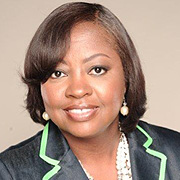

By Dr. Susan Strauss
Recorded Session


By Margie Faulk
Recorded Session


By Carolyn Troiano
Recorded Session


By Kelly Thomas
Recorded Session

By Rachelle D Souza
Recorded Session

By Marcia Zidle
Recorded Session

By Beverly Beuermann-King
Recorded Session
By Margie Faulk
DOL Reverses Course on Independent Contractor Rule for 2026! How Will Employers Adapt to the Change?
Recorded Session
By Mike Thomas
Recorded Session
By Marcia Zidle
Recorded Session

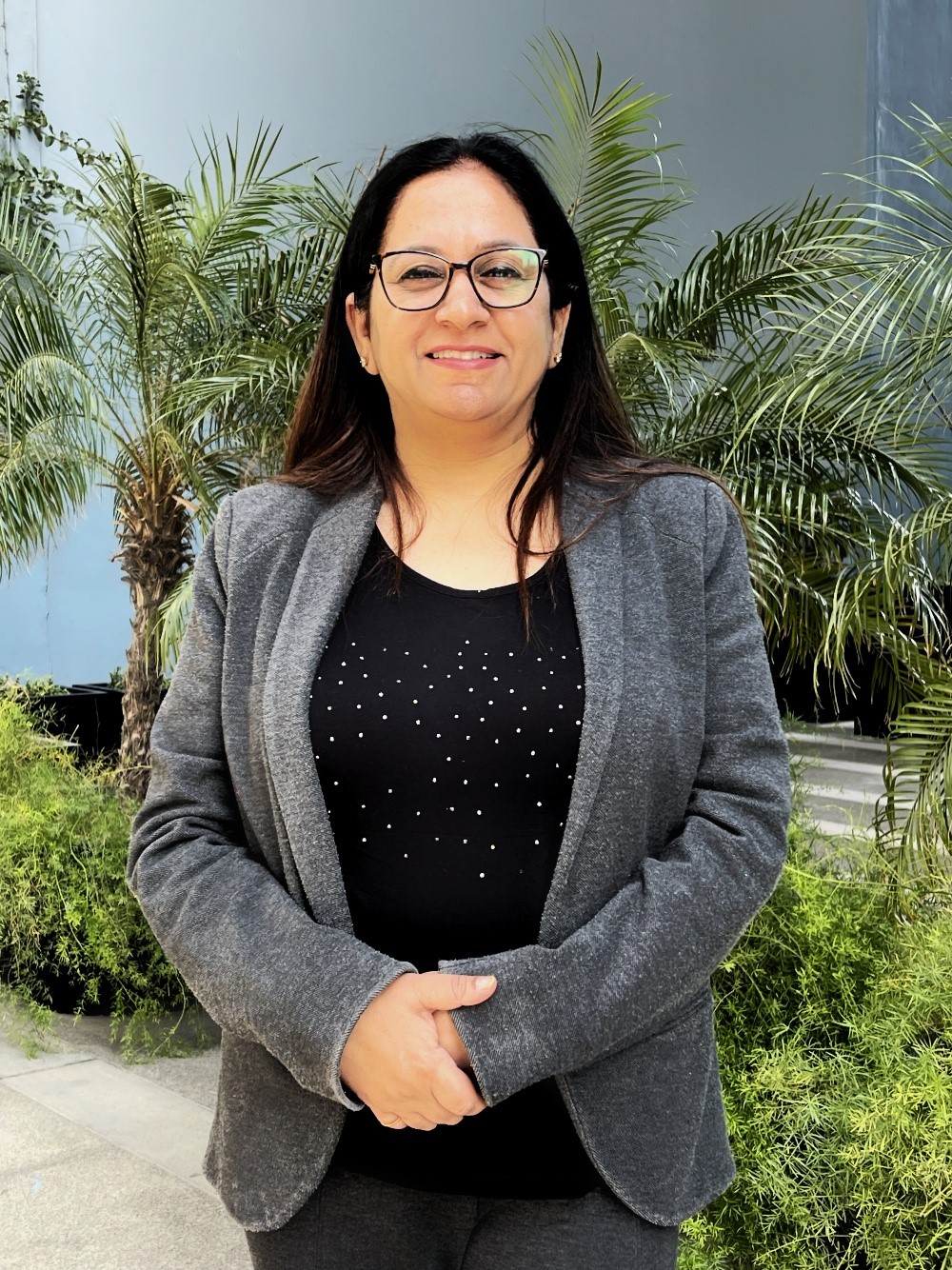
By Ritu Arora
Recorded Session
By Diane L. Dee
Recorded Session
By Dr. Susan Strauss
Recorded Session
By Diane L. Dee
Recorded Session
By Beverly Beuermann-King
Recorded Session
By Charles H. Paul
Recorded Session
By Marcia Zidle
Recorded Session


By Audrey Halpern
Recorded Session