

Emojis, AI, Algorithms, Vulnerable Workers And Systemic Harassment – YIKES! Are You Ready To Apply The New Proposed EEOC Guidelines And Court Rulings?
EEOC harassment guidance and new court rulings have pushed harassment law into unfamiliar territory. A Louisiana court found that a winking smiley face, paired with comments on a colleague's looks, was flirtatious and offensive. Was it illegal? Can a single use of the N-word be severe enough to reach court?
This two-hour webinar helps HR and managers catch up. The EEOC's 2023 proposed guidance says conduct outside work, including texts, emails, calls, social media and stalking, can create a hostile work environment. It also addresses systemic harassment, and the agency brought its first AI lawsuit alleging hiring discrimination.
You'll also cover pregnancy law changes, accommodation meetings, wellness program incentive claims, personal liability for misconduct and recent decisions on age, genetics, disability, caregiving and gender.
- Review protected class discrimination and harassment
- Identify what the EEOC's proposed guidelines say about harassment
- Describe new court decisions on age, genetics, disability, pregnancy, caregiving and gender
- Use the affirmative defense to reduce liability
- Tell bullying apart from protected class harassment
- Explain HR and management's legal and ethical duties in preventing and stopping harassment
- Describe the legal requirement to hold an accommodation meeting
- Protected class discrimination and harassment
- The EEOC's proposed harassment guidelines
- Harassment outside the workplace: texts, email, phone, social media and stalking
- Systemic harassment and the EEOC's first AI hiring discrimination lawsuit
- Emojis and harassment claims
- New court decisions on age, genetics, disability, pregnancy, caregiving, gender, and state and federal laws
- The affirmative defense and reducing liability
- Bullying vs protected class harassment
- HR and management's legal and ethical duties to prevent and intervene
- The legal requirement for an accommodation meeting
- Wellness program incentives and discrimination claims
- Personal liability for misconduct
Busy HR professionals and managers struggle to keep up with civil rights case law, so discrimination and harassment can go unnoticed. The EEOC has said current prevention efforts are not working and complaints keep rising. Unchecked harassment leads to absenteeism, turnover, lost productivity and health effects for targets and witnesses, plus liability and costly lawsuits.
The session suits HR specialists and managers, and directors, managers and supervisors in any department.
- HR Specialists
- HR Managers
- Directors, managers, and supervisors of any department
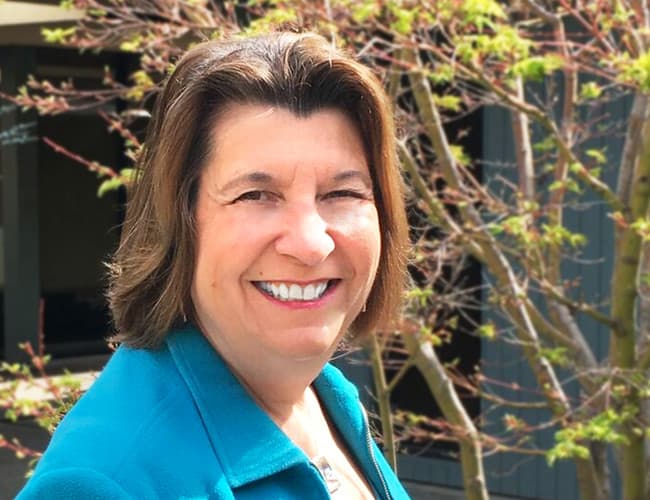
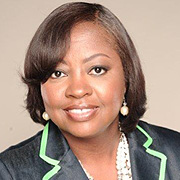
Dr. Susan Strauss is a national and international speaker, trainer and consultant. Her specialty areas include management/leadership development, organization development, communication, and harassment and bullying. She is an expert witness for discrimination and harassment lawsuits. She trains and consults with business, education, healthcare, law, and government organizations from both the public and private sector. Dr. Strauss has authored over 30 book chapters, books, and articles in professional journals. She has been featured on 20/20, CBS Evening News, and other television and radio programs as well as interviewed for newspaper and journal articles. She has her doctorate in organizational leadership, is a registered nurse with a bachelor’s degree in psychology and human services, a master’s degree in community health, and professional certificate in training and development.
Upcoming Webinars

By William Mack Copeland
Date: Nov. 6, 2026

By Carolyn Troiano
Date: Nov. 6, 2026

By Edwin Waldbusser
Date: Nov. 9, 2026

By Dev Strischek
Date: Nov. 9, 2026

By Cathy Horwitz
Date: Nov. 10, 2026

By Paul Pelletier
Date: Nov. 10, 2026


By Lesley Crook
Date: Nov. 13, 2026


By Dr. Susan Strauss
Date: Nov. 16, 2026



By Allen Evitts
Date: Nov. 17, 2026

By Dr. Bill Trombetta
Date: Nov. 17, 2026

By David Nettleton
Date: Nov. 17, 2026

By Bruce Lee
Date: Nov. 17, 2026



By Dr. Susan Strauss
Date: Nov. 18, 2026

By Mike Thomas
Date: Nov. 18, 2026

By Donna K Olheiser
Date: Nov. 19, 2026

By Charles H. Paul
Date: Nov. 19, 2026

By Diane L. Dee
Date: Nov. 19, 2026

By Abdelrahman Abdou
Date: Nov. 19, 2026


By Richard E Cascarino
Date: Nov. 20, 2026
By Edwin Waldbusser
Date: Nov. 23, 2026

By Meredith Crabtree
Date: Nov. 24, 2026

By Pete Tosh
Recorded Session
By Bruce Lee
Recorded Session

By Don Phin
Recorded Session


By Dr. Susan Strauss
Recorded Session


By Margie Faulk
Recorded Session


By Carolyn Troiano
Recorded Session

By Kelly Thomas
Recorded Session

By Rachelle D Souza
Recorded Session
By Marcia Zidle
Recorded Session

By Beverly Beuermann-King
Recorded Session
By Margie Faulk
DOL Reverses Course on Independent Contractor Rule for 2026! How Will Employers Adapt to the Change?
Recorded Session
By Mike Thomas
Recorded Session
By Marcia Zidle
Recorded Session

By Ritu Arora
Recorded Session
By Diane L. Dee
Recorded Session
By Dr. Susan Strauss
Recorded Session
By Diane L. Dee
Recorded Session
By Beverly Beuermann-King
Recorded Session
By Charles H. Paul
Recorded Session
By Marcia Zidle
Recorded Session


By Audrey Halpern
Recorded Session