

Human Factors Usability Studies Following ISO 62366 and FDA Guidance
Duration: 60 Minutes
Human factors and usability engineering looks at how people interact with medical devices. This 60-minute human factors usability webinar explains how to run rigorous usability studies throughout the design process, following ISO 62366 and FDA guidance.
You'll learn how to tie human factors work into the device risk analysis and design process, which types and methods of analysis to use, and how to validate that the studies were effective. The session moves from definitions such as use scenario, task and critical task through the usability plan, use specification and usability hazard analysis.
It then covers the user interface specification and evaluation plan, analytical and empirical evaluation methods, verification and validation, and the human factors report.
- Explain the difference between user error and use error
- Identify use-related hazards and link them to device risk analysis
- Define user profiles and use scenarios
- Develop a human factors program step by step
- Choose analytical and empirical evaluation methods
- Validate usability and document results in a human factors report
- Why it matters to understand and optimize how people use technology
- Definitions: use scenario, task and critical task
- FDA guidance on applying human factors and usability engineering to medical devices
- User error vs use error
- User profiles and use scenarios
- Usability plan and use specification
- Usability hazard analysis and use-related hazards
- User interface specification and user interface evaluation plan
- Preliminary analysis and evaluations
- Evaluation methods: analytical and empirical
- Verification and validation
- Human factors report
- Templates: use specification, user interface evaluation and usability validation control matrix
FDA expects devices to be designed so that people can't easily harm themselves, even when they use the device incorrectly. FDA treats a use error as a device nonconformity rather than a human mistake, so the burden is on the designer to make the product hard to misuse, and human factors must be part of design.
The session suits development and design engineers and managers, software developers, usability engineers, risk managers, production management, QA and QC personnel, and regulatory professionals.
- Development Engineers
- Production Management
- QA/QC Personnel
- Software Developers
- Usability engineers
- Risk managers
- Design Engineering Managers
- Engineer
- Engineer Management
- Quality assurance
- Regulatory Professionals
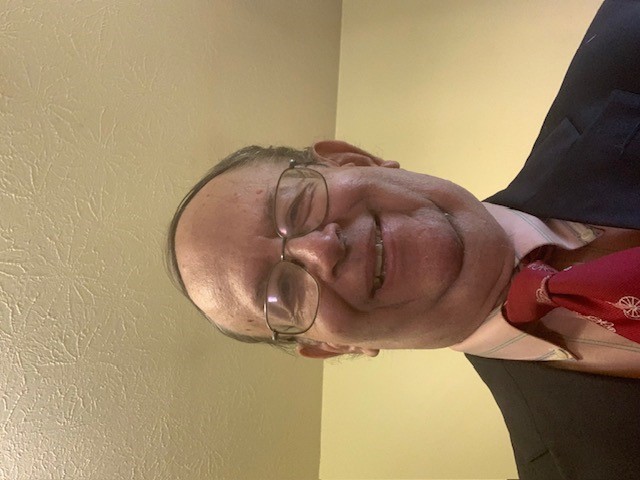
Edwin Waldbusser, is a consultant retired from industry after 20 years in management of development of medical devices (5 patents). He has been consulting in the areas of design control, risk analysis and software validation for the past 8 years. Mr. Waldbusser has a BS in Mechanical Engineering and an MBA. He is a Lloyds of London certified ISO 9000 Lead Auditor and a member of the Thomson Reuters Expert Witness network.
Upcoming Webinars

By William Mack Copeland
Date: Nov. 6, 2026

By Carolyn Troiano
Date: Nov. 6, 2026

By Edwin Waldbusser
Date: Nov. 9, 2026

By Dev Strischek
Date: Nov. 9, 2026

By Cathy Horwitz
Date: Nov. 10, 2026

By Paul Pelletier
Date: Nov. 10, 2026

By Lesley Crook
Date: Nov. 13, 2026


By Dr. Susan Strauss
Date: Nov. 16, 2026



By Allen Evitts
Date: Nov. 17, 2026

By Dr. Bill Trombetta
Date: Nov. 17, 2026

By David Nettleton
Date: Nov. 17, 2026

By Bruce Lee
Date: Nov. 17, 2026




By Dr. Susan Strauss
Date: Nov. 18, 2026

By Mike Thomas
Date: Nov. 18, 2026

By Donna K Olheiser
Date: Nov. 19, 2026

By Charles H. Paul
Date: Nov. 19, 2026

By Diane L. Dee
Date: Nov. 19, 2026

By Abdelrahman Abdou
Date: Nov. 19, 2026

By Richard E Cascarino
Date: Nov. 20, 2026
By Edwin Waldbusser
Date: Nov. 23, 2026

By Meredith Crabtree
Date: Nov. 24, 2026


By Pete Tosh
Recorded Session
By Bruce Lee
Recorded Session

By Don Phin
Recorded Session



By Dr. Susan Strauss
Recorded Session


By Margie Faulk
Recorded Session


By Carolyn Troiano
Recorded Session

By Kelly Thomas
Recorded Session

By Rachelle D Souza
Recorded Session

By Marcia Zidle
Recorded Session

By Beverly Beuermann-King
Recorded Session
By Margie Faulk
DOL Reverses Course on Independent Contractor Rule for 2026! How Will Employers Adapt to the Change?
Recorded Session
By Mike Thomas
Recorded Session
By Marcia Zidle
Recorded Session

By Ritu Arora
Recorded Session
By Diane L. Dee
Recorded Session
By Dr. Susan Strauss
Recorded Session
By Diane L. Dee
Recorded Session
By Beverly Beuermann-King
Recorded Session
By Charles H. Paul
Recorded Session
By Marcia Zidle
Recorded Session


By Audrey Halpern
Recorded Session