

Tattoos, hijabs, piercings, and pink hair: The challenges of a dress & appearance code
Duration: 75 Minutes
Hair style and length, visible tattoos, gender non-conforming style, summer dress codes: employers have to set a dress and appearance policy that fits their culture and follows federal and state law. This 75-minute dress code webinar looks at how to balance employees' right to express themselves with the organization's legitimate business needs while keeping the workplace inclusive.
Research confirms that appearance-based bias is widespread in U.S. workplaces, and self-expression has become more accepted in society. What happens when an employee's sense of dress differs from the organization's?
The session focuses on the two hardest areas for employers, religious dress and dress that defies gender stereotypes, along with tattoos, body art, political dress, and EEOC and NLRB positions.
- Discuss the legal issues around dress and appearance at work
- List the pros and cons of requiring a dress and appearance policy
- Explain how unconscious bias and stereotypes lead to discrimination through dress codes
- Identify ways to make sure employees are judged on performance, not stereotypes
- Discuss unusual elements found in dress and appearance codes
- Explain the role sex and gender play in your dress and appearance code
- EEOC guidelines on dress at work
- The National Labor Relations Board's view on dress
- Body art and tattoos
- International dress
- Religious dress
- Sex stereotyping and dress
- Political dress
- What to consider when writing your dress code
Dress codes are drawing attention in the courts, and several precedent-setting lawsuits have found that dress code requirements, even unintentionally, discriminated against applicants and employees based on gender, religion or race.
HR professionals and managers need a dress code free of discrimination so every candidate and employee is treated fairly. The session suits managers and directors across the organization and HR generalists, managers and directors.
- Managers throughout the organization
- Directors throughout the organization
- Human Resources generalists, managers, directors
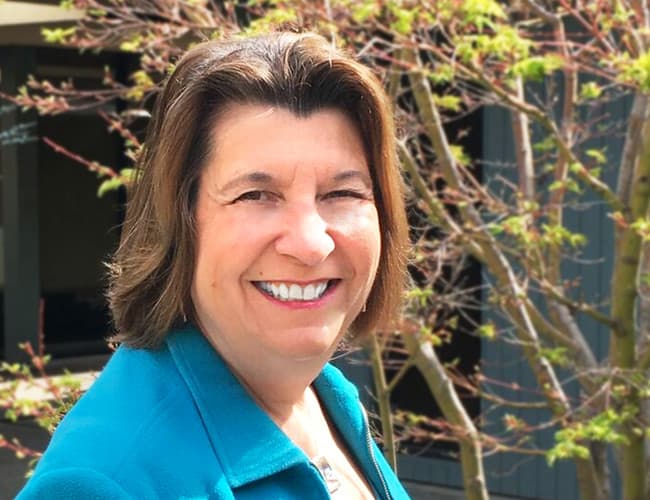
Dr. Susan Strauss is a national and international speaker, trainer and consultant. Her specialty areas include management/leadership development, organization development, communication, and harassment and bullying. She is an expert witness for discrimination and harassment lawsuits. She trains and consults with business, education, healthcare, law, and government organizations from both the public and private sector. Dr. Strauss has authored over 30 book chapters, books, and articles in professional journals. She has been featured on 20/20, CBS Evening News, and other television and radio programs as well as interviewed for newspaper and journal articles. She has her doctorate in organizational leadership, is a registered nurse with a bachelor’s degree in psychology and human services, a master’s degree in community health, and professional certificate in training and development.
Upcoming Webinars

By William Mack Copeland
Date: Nov. 6, 2026

By Carolyn Troiano
Date: Nov. 6, 2026

By Edwin Waldbusser
Date: Nov. 9, 2026

By Dev Strischek
Date: Nov. 9, 2026

By Cathy Horwitz
Date: Nov. 10, 2026

By Paul Pelletier
Date: Nov. 10, 2026



By Lesley Crook
Date: Nov. 13, 2026


By Dr. Susan Strauss
Date: Nov. 16, 2026



By Allen Evitts
Date: Nov. 17, 2026

By Dr. Bill Trombetta
Date: Nov. 17, 2026

By David Nettleton
Date: Nov. 17, 2026

By Bruce Lee
Date: Nov. 17, 2026



By Dr. Susan Strauss
Date: Nov. 18, 2026

By Mike Thomas
Date: Nov. 18, 2026

By Donna K Olheiser
Date: Nov. 19, 2026

By Charles H. Paul
Date: Nov. 19, 2026

By Diane L. Dee
Date: Nov. 19, 2026

By Abdelrahman Abdou
Date: Nov. 19, 2026


By Richard E Cascarino
Date: Nov. 20, 2026
By Edwin Waldbusser
Date: Nov. 23, 2026

By Meredith Crabtree
Date: Nov. 24, 2026

By Pete Tosh
Recorded Session
By Bruce Lee
Recorded Session

By Don Phin
Recorded Session

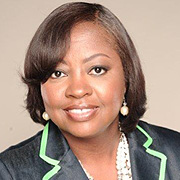

By Dr. Susan Strauss
Recorded Session


By Margie Faulk
Recorded Session


By Carolyn Troiano
Recorded Session

By Kelly Thomas
Recorded Session

By Rachelle D Souza
Recorded Session
By Marcia Zidle
Recorded Session

By Beverly Beuermann-King
Recorded Session
By Margie Faulk
DOL Reverses Course on Independent Contractor Rule for 2026! How Will Employers Adapt to the Change?
Recorded Session
By Mike Thomas
Recorded Session
By Marcia Zidle
Recorded Session

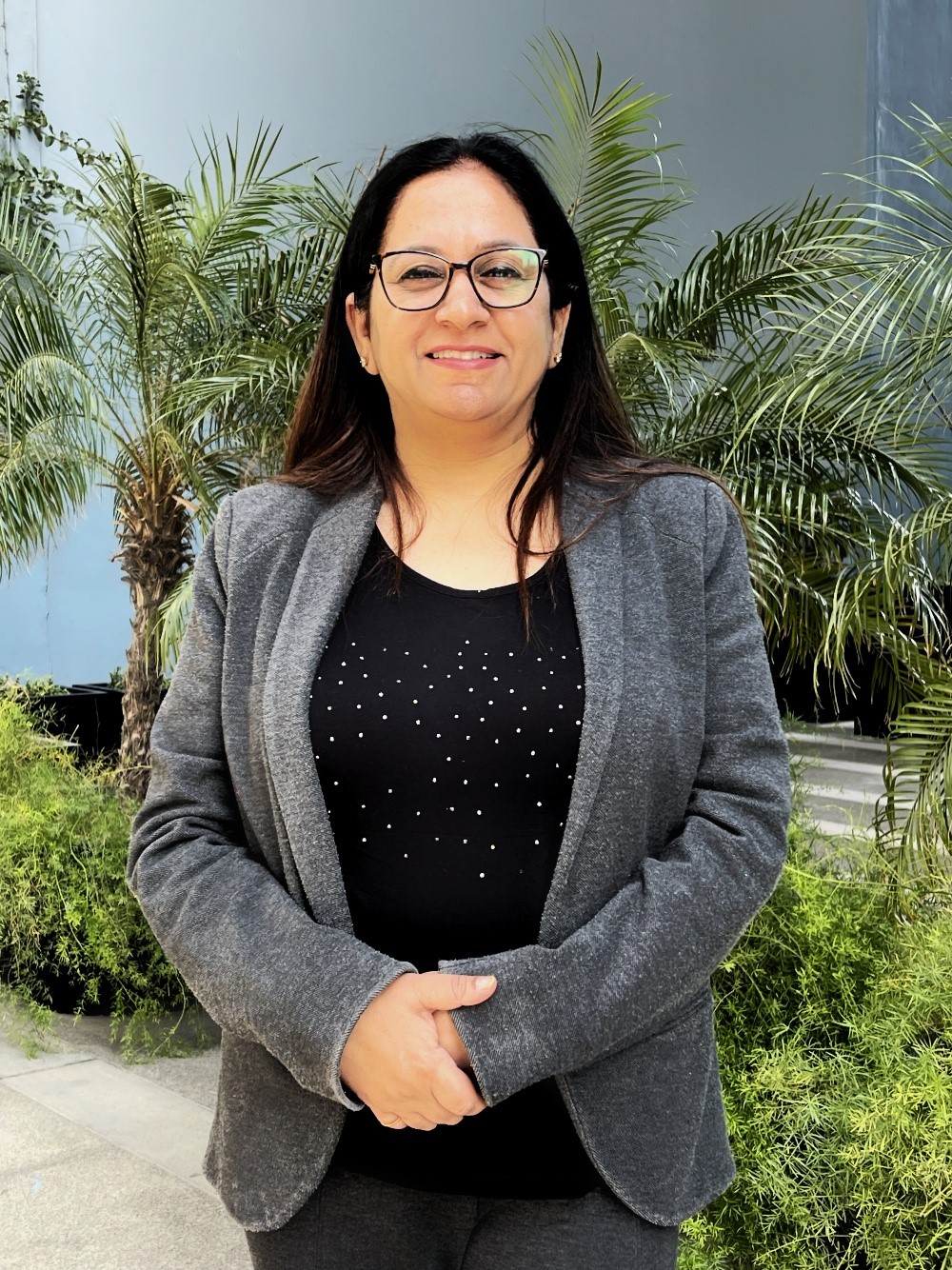
By Ritu Arora
Recorded Session
By Diane L. Dee
Recorded Session
By Dr. Susan Strauss
Recorded Session
By Diane L. Dee
Recorded Session
By Beverly Beuermann-King
Recorded Session
By Charles H. Paul
Recorded Session
By Marcia Zidle
Recorded Session


By Audrey Halpern
Recorded Session