

2-hr Virtual Seminar: Addiction in the Workplace, Legal Issues, and Practical Solutions
Every employer will face addiction in the workplace sooner or later, along with lost productivity, mistakes, absenteeism and leave for rehabilitation. This virtual seminar explains how to handle it lawfully and practically.
You'll learn what addiction is and why it can affect anyone, warning signs, underlying medical conditions, how to deal with an employee who arrives under the influence, and the legal risk of letting them drive home. It covers drug testing policies, limits on random testing, and reasonable suspicion testing.
The session also explains when the FMLA and ADA require leave, how the ADA treats alcoholism and past drug use, the interactive process, compliant medical authorizations, and how to use last chance agreements effectively.
- Recognize signs of addiction and respond to an employee who is under the influence
- Build a drug testing policy, including random and reasonable suspicion testing
- Determine when the FMLA requires leave for addiction treatment
- Apply ADA rules on alcoholism, past drug use and leave as an accommodation
- Run the ADA interactive process and obtain compliant medical authorizations
- Use last chance agreements effectively
Understanding addiction at work
- What addiction is and why it happens even to "good" people
- Signs an employee may be struggling with addiction
- Underlying medical conditions that can lead to addiction
- Handling an employee who arrives at work under the influence
- Legal risks of letting an impaired employee drive home
Drug testing and leave
- What your drug testing policy should include
- Restrictions on random drug testing
- Reasonable suspicion drug testing
- When an employee is entitled to FMLA leave for addiction
- Whether the FMLA excludes those addicted to illegal drugs
- ADA coverage of past drug use and what "past use" means
ADA accommodation and last chance agreements
- Why alcoholism is treated differently under the ADA
- When a leave of absence is a reasonable accommodation, and whether indefinite leave ever is
- What the interactive process requires, with sample questions
- Requirements for a legally compliant medical authorization
- When the interactive process fails
- What last chance agreements are, how the law views them and how to use them well
Addiction issues that start at home often spill into work, and employers must handle them without creating legal exposure under their own policies, the Family and Medical Leave Act or the Americans with Disabilities Act. This session also looks at how to help an employee admit a problem and get help.
It suits HR professionals, risk managers and those who administer company benefits.
- Human Resource Professionals
- Risk Managers
- Individuals who must administer benefits for the company
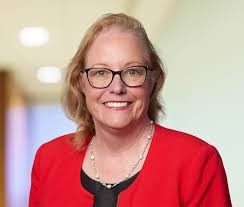
Susan Fahey Desmond is a partner with McGlinchey Stafford, PLLC which has offices in 33 states across the country. She has been representing management in all areas of labor and employment law for over 35 years. A noted author and speaker, Susan is listed in Best Lawyers in America and has been named by Chambers USA as one of America’s leading business lawyers
Upcoming Webinars

By William Mack Copeland
Date: Nov. 6, 2026
By Carolyn Troiano
Date: Nov. 6, 2026

By Edwin Waldbusser
Date: Nov. 9, 2026

By Dev Strischek
Date: Nov. 9, 2026

By Cathy Horwitz
Date: Nov. 10, 2026
By Paul Pelletier
Date: Nov. 10, 2026

By Lesley Crook
Date: Nov. 13, 2026


By Dr. Susan Strauss
Date: Nov. 16, 2026



By Allen Evitts
Date: Nov. 17, 2026

By Dr. Bill Trombetta
Date: Nov. 17, 2026

By David Nettleton
Date: Nov. 17, 2026

By Bruce Lee
Date: Nov. 17, 2026



By Dr. Susan Strauss
Date: Nov. 18, 2026

By Mike Thomas
Date: Nov. 18, 2026

By Donna K Olheiser
Date: Nov. 19, 2026

By Charles H. Paul
Date: Nov. 19, 2026
By Diane L. Dee
Date: Nov. 19, 2026

By Abdelrahman Abdou
Date: Nov. 19, 2026


By Richard E Cascarino
Date: Nov. 20, 2026
By Edwin Waldbusser
Date: Nov. 23, 2026

By Meredith Crabtree
Date: Nov. 24, 2026

By Pete Tosh
Recorded Session
By Bruce Lee
Recorded Session

By Don Phin
Recorded Session


By Dr. Susan Strauss
Recorded Session


By Margie Faulk
Recorded Session

By Carolyn Troiano
Recorded Session

By Kelly Thomas
Recorded Session

By Rachelle D Souza
Recorded Session

By Marcia Zidle
Recorded Session

By Beverly Beuermann-King
Recorded Session
By Margie Faulk
DOL Reverses Course on Independent Contractor Rule for 2026! How Will Employers Adapt to the Change?
Recorded Session
By Mike Thomas
Recorded Session
By Marcia Zidle
Recorded Session

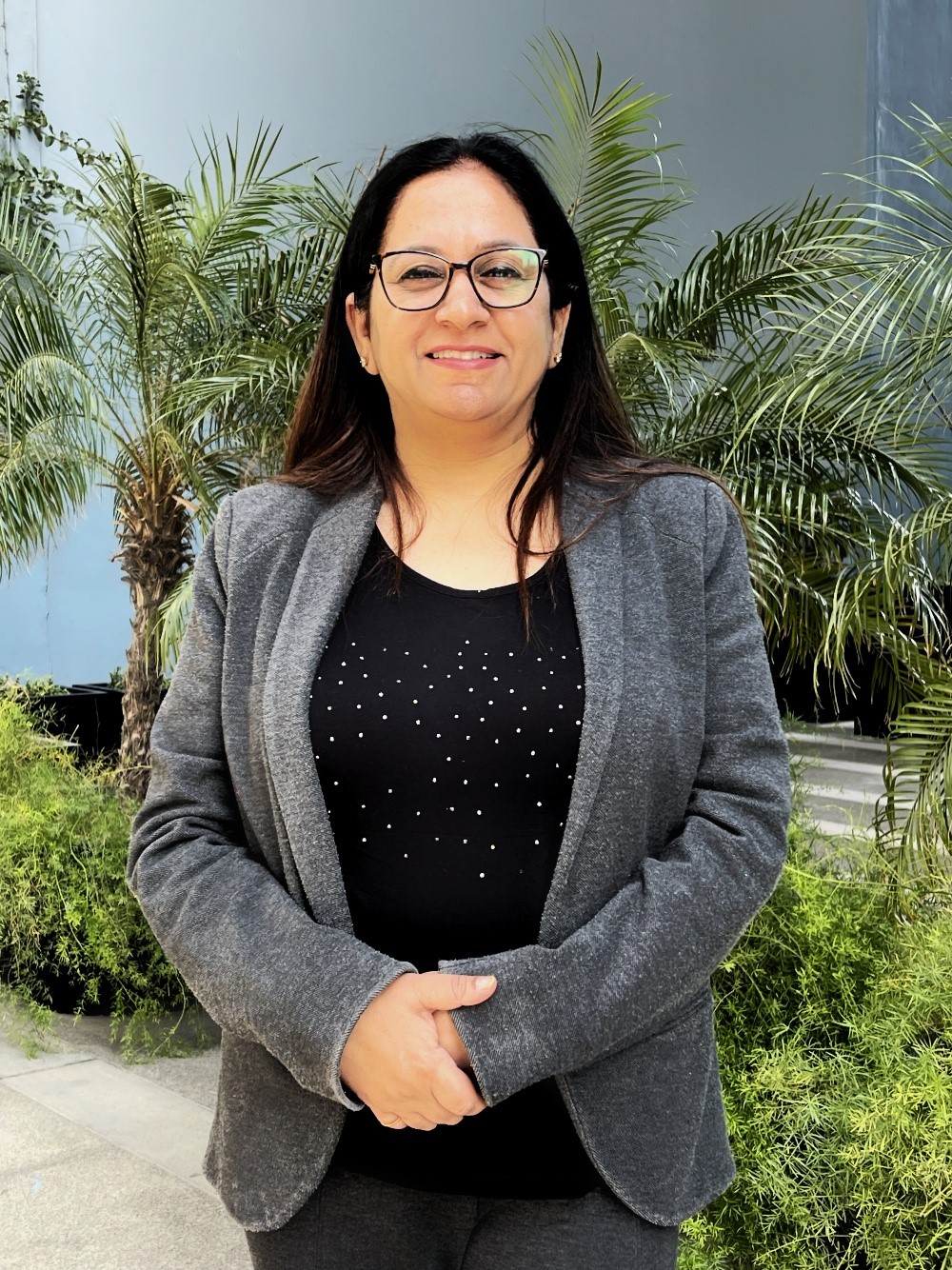
By Ritu Arora
Recorded Session
By Diane L. Dee
Recorded Session
By Dr. Susan Strauss
Recorded Session
By Diane L. Dee
Recorded Session
By Beverly Beuermann-King
Recorded Session
By Charles H. Paul
Recorded Session
By Marcia Zidle
Recorded Session

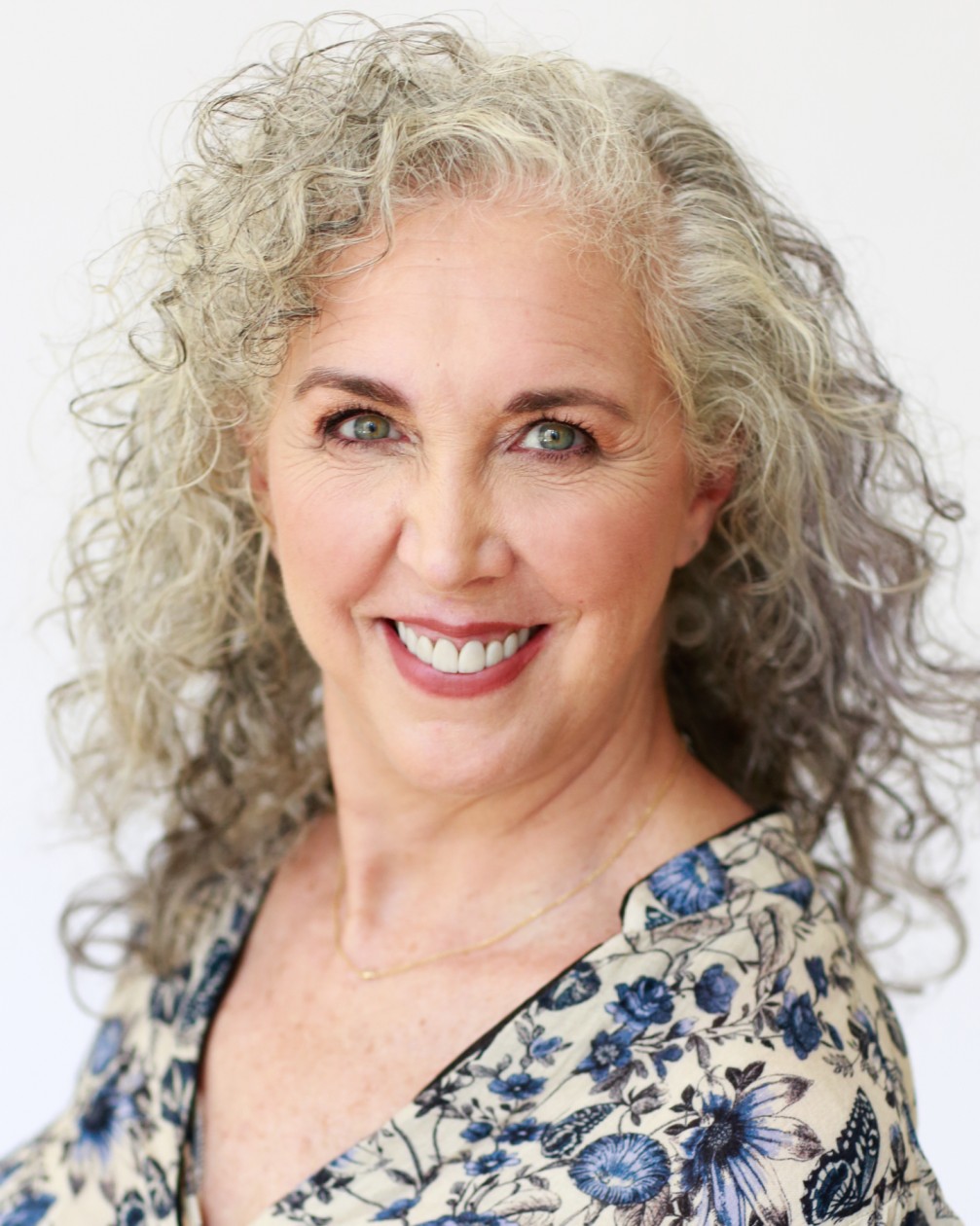
By Audrey Halpern
Recorded Session