
Teaching your Front-line How to Ask BSA Questions

Front-line staff are a financial institution's first line of defense for Bank Secrecy Act (BSA) compliance. This 60-minute BSA training webinar explains how to teach them to ask BSA questions the right way.
It works through realistic scenarios and questions for Currency Transaction Reports (CTRs), the Monetary Instrument Log (MIL) and Suspicious Activity Reports (SARs), along with ways to respond during the customer conversation. Staff also learn why they are asking these questions and when they need to ask them.
Most staff know the how and why of CTR and MIL questions, so the session puts extra focus on reviewing a customer's account history to ask SAR-related questions. It also covers updating customer information, balancing service with protecting the bank, and building strong ties with the back office.
- Explain the BSA responsibilities of front-line staff and why the questions matter
- Balance customer service with protecting the institution
- Ask the right questions in CTR and Monetary Instrument Log scenarios
- Use account history to ask SAR-related questions
- Recognize when BSA questions need to be asked and keep customer information current
- Build front-line and back-office cooperation and a culture of compliance
- Responsibilities of front-line staff
- Customer service vs. protecting the bank
- Updating customer information
- CTR scenarios and questions
- Monetary Instrument Log (MIL) scenarios and questions
- SAR scenarios and questions
- When questions need to be asked
- Why front-line staff should care
- Building a strong relationship between front-line and back-office staff
- Developing a culture of compliance on the front line
Poorly trained front-line staff can expose an institution to regulatory enforcement actions or worse, while a well-trained front line supports a strong back-office BSA department. Staff often don't know why they ask BSA questions or what BSA is really about.
This session suits branch, district and operations managers, teller supervisors, front-line, onboarding and customer relations staff, BSA and compliance officers, risk officers and SAR investigators.
- District Bank/Credit Union/Financial Institution Managers
- Branch Managers
- Teller Supervisors
- Compliance Managers
- Front Line Staff
- Risk Officers
- Operational Managers
- Front line bank staff
- On-boarding staff
- Customer relations staff
- Back office staff
- BSA Officer
- Compliance Officers
- Suspicious activity investigators and analysts
Thomas E Nollner has more than 35 years of experience in financial institution supervision and consulting. Mr. Nollner spent 30 years as a National Bank Examiner for the Comptroller of the Currency where he was a safety and soundness examiner and a compliance examiner. As a safety and soundness examiner he examined national banks for capital adequacy, asset quality, management issues, earnings concerns, and liquidity funding. As a compliance examiner, he examined national banks for compliance with consumer laws and regulations such as the Truth-in-Lending Act, the Real Estate Settlement Procedures Act, the Flood Disaster Protection Act, the Community Reinvestment Act, and AML/CFT laws and regulations. His specialty was as an AML/CFT examiner, where he analyzed a bank’s AML/CFT program to ensure that it complied with applicable banking laws, rules, and regulations; he reviewed the bank’s suspicious transactions identification, monitoring, and reporting process; he traced proceeds and transactions through several layers of activity; and, he reviewed a bank’s processes and procedures to determine root causes of AML/CFT program weaknesses. Mr. Nollner currently works as a consultant for the Office of Technical Assistance (OTA), a branch of the U.S. Treasury that assists developing countries with banking issues. Mr. Nollner is assigned to the Economic Crimes Team that focused on training, assisting, and mentoring the staffs of the financial regulatory departments and financial intelligence units of various countries regarding AML/CFT compliance. In this capacity, he worked in countries such as Afghanistan, Iraq, Turkmenistan, Viet Nam, Honduras, Guatemala, Guyana, Suriname, and Argentina developing AML/CFT examination procedures, providing AML/CFT training and mentoring, and updating local AML/CFT laws and regulations.
Upcoming Webinars

By William Mack Copeland
Date: Nov. 6, 2026
By Carolyn Troiano
Date: Nov. 6, 2026

By Edwin Waldbusser
Date: Nov. 9, 2026
By Dev Strischek
Date: Nov. 9, 2026

By Cathy Horwitz
Date: Nov. 10, 2026
By Paul Pelletier
Date: Nov. 10, 2026

By Lesley Crook
Date: Nov. 13, 2026


By Dr. Susan Strauss
Date: Nov. 16, 2026


By Allen Evitts
Date: Nov. 17, 2026

By Dr. Bill Trombetta
Date: Nov. 17, 2026

By David Nettleton
Date: Nov. 17, 2026
By Bruce Lee
Date: Nov. 17, 2026



By Dr. Susan Strauss
Date: Nov. 18, 2026

By Mike Thomas
Date: Nov. 18, 2026

By Donna K Olheiser
Date: Nov. 19, 2026

By Charles H. Paul
Date: Nov. 19, 2026
By Diane L. Dee
Date: Nov. 19, 2026
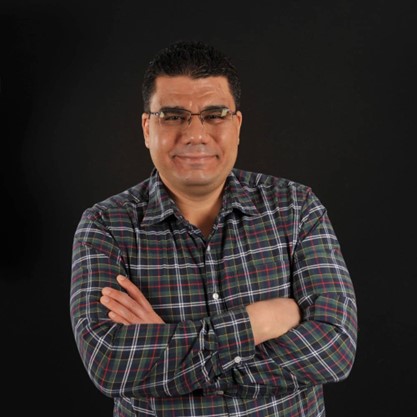
By Abdelrahman Abdou
Date: Nov. 19, 2026


By Richard E Cascarino
Date: Nov. 20, 2026
By Edwin Waldbusser
Date: Nov. 23, 2026

By Meredith Crabtree
Date: Nov. 24, 2026

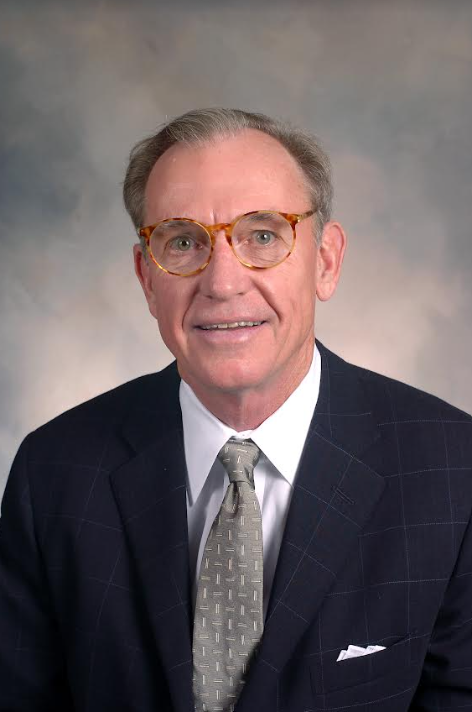
By Pete Tosh
Recorded Session
By Bruce Lee
Recorded Session

By Don Phin
Recorded Session


By Dr. Susan Strauss
Recorded Session


By Margie Faulk
Recorded Session
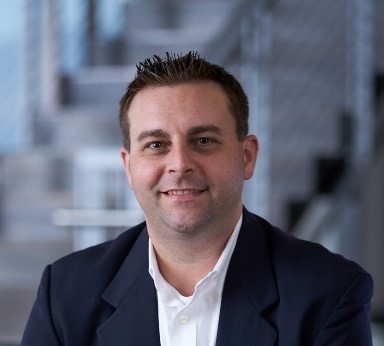

By Carolyn Troiano
Recorded Session

By Kelly Thomas
Recorded Session

By Rachelle D Souza
Recorded Session

By Marcia Zidle
Recorded Session
By Beverly Beuermann-King
Recorded Session
By Margie Faulk
DOL Reverses Course on Independent Contractor Rule for 2026! How Will Employers Adapt to the Change?
Recorded Session
By Mike Thomas
Recorded Session
By Marcia Zidle
Recorded Session

By Ritu Arora
Recorded Session
By Diane L. Dee
Recorded Session
By Dr. Susan Strauss
Recorded Session
By Diane L. Dee
Recorded Session
By Beverly Beuermann-King
Recorded Session
By Charles H. Paul
Recorded Session
By Marcia Zidle
Recorded Session

By Audrey Halpern
Recorded Session