
New Form 1099 Reporting Requirements: 2026 Compliance Update
Duration: 90 Minutes
Form 1099 reports payments to non-employee service providers, suppliers and other businesses you deal with. Many organizations struggle to name every type of provider they pay, which payments are reportable, and the minimum amounts that trigger reporting.
This 90-minute Form 1099 reporting webinar covers the latest IRS changes. In 2025 the One Big Beautiful Bill (OBBB) set new limits for the 1099-NEC and 1099-MISC starting in 2026 and reversed the third-party settlement organization requirements for the 1099-K. The IRS also created the 1099-DA for brokers reporting cryptocurrency and other digital transactions, and changed filing, TIN matching and other procedures.
You'll also learn which attorney fees go on which form, when a deceased employee's wages belong on a 1099 or a W-2, and when federal and state income tax must be withheld.
- Review your 1099 reporting procedures for compliance
- Explain which payments go on which 1099
- Prepare for the 2026 requirements, including the 1099-DA
- Analyze your company's main risks in the 1099 process
- Work with your AP department to record 1099 payments properly
Recent changes
- The One Big Beautiful Bill and its new 1099 requirements
- Latest 1099-NEC, 1099-MISC, 1099-K and 1099-DA requirements, and changes to other 1099 forms
- Due dates, e-filing, online TIN matching and federal income tax withholding
- Which attorney fees go on the 1099-NEC or the 1099-MISC
- When payments to a deceased employee's estate go on a 1099
- Penalties for non-compliance
- Best practices and frequent questions
Forms covered in detail
- 1099-A: acquisition or abandonment of secured property
- 1099-B: proceeds from broker and barter transactions
- 1099-C: cancellation of debt
- 1099-K: payment card and third-party network transactions
- 1099-MISC: miscellaneous information
- 1099-NEC: non-employee compensation
- 1099-R: distributions from pensions, annuities, retirement or profit-sharing plans, IRAs and similar
- 1099-DIV, 1099-OID and 1099-INT: investment-related 1099s
- Purpose and reportable payments for all other 1099s
The IRS requires more than 20 types of 1099, and knowing which form and box each payment belongs in is not simple. Errors can lead to penalties.
This session helps HR, payroll, accounts payable and finance staff, tax professionals and third-party payment settlement agencies review their procedures, understand the newest 1099 requirements, and talk with AP about recording payments correctly.
- HR Managers
- Payroll Managers
- A/P Managers
- A/P Staff
- Finance Executives
- Tax Professionals
- Accounts Payable and Finance Department Staff
- Third Party Payment Settlement and Processing Agencies
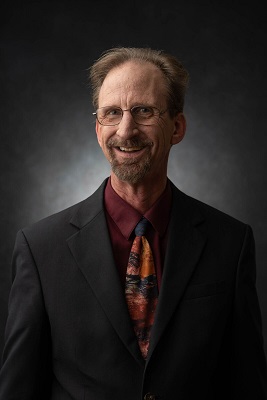
Mark Schwartz is an employment tax specialist and has over 15 years of employment tax experience as an independent consultant and as a payroll tax auditor with the State of California. He has managed an audit caseload of 20 ongoing audits, from small home-based businesses to large multi-national corporations. He is expert at defining regulatory and statutory requirements from local, State and Federal government agencies; and helping the average businessperson understand what that mean to their business. He has processed weekly and bi-weekly payroll checks plus tax forms for businesses with hourly as well as exempt workers, multistate operations and a wide variety of benefits.
Mr. Schwartz provides consulting services encompassing payroll processing and payroll tax issues. These include payroll tax minimization, payroll tax compliance reviews, independent contractor studies, use of electronic transfers, deductions, benefits, etc. Mark has represented both clients and the State in front of the State Appeals Board. He understands the complexities of local wage laws, unemployment and disability claims, and other wage and benefit issues affecting your employees.
Mark prides himself on his outstanding customer service skills. He listens attentively to his clientele, helping them bridge the gap between the small business world and Government bureaucracy. He eagerly assists with clients needs, and feels that educating clients toward faster, accurate and more complete payroll processes provides the most value.
Mark is a participating member of the American Payroll Association. He earned his BA and MBA in Finance at Santa Clara University. He has held Certified Internal Auditor and Certified Investment and Derivatives Auditor Credentials. Mark is currently pursuing a Certified Payroll Fundamentals Credential with the American Payroll Association.
Upcoming Webinars

By William Mack Copeland
Date: Nov. 6, 2026
By Carolyn Troiano
Date: Nov. 6, 2026

By Edwin Waldbusser
Date: Nov. 9, 2026

By Dev Strischek
Date: Nov. 9, 2026

By Cathy Horwitz
Date: Nov. 10, 2026
By Paul Pelletier
Date: Nov. 10, 2026

By Lesley Crook
Date: Nov. 13, 2026
By Dr. Susan Strauss
Date: Nov. 16, 2026



By Allen Evitts
Date: Nov. 17, 2026

By Dr. Bill Trombetta
Date: Nov. 17, 2026

By David Nettleton
Date: Nov. 17, 2026
By Bruce Lee
Date: Nov. 17, 2026



By Dr. Susan Strauss
Date: Nov. 18, 2026

By Mike Thomas
Date: Nov. 18, 2026

By Donna K Olheiser
Date: Nov. 19, 2026

By Charles H. Paul
Date: Nov. 19, 2026
By Diane L. Dee
Date: Nov. 19, 2026
By Abdelrahman Abdou
Date: Nov. 19, 2026

By Richard E Cascarino
Date: Nov. 20, 2026
By Edwin Waldbusser
Date: Nov. 23, 2026

By Meredith Crabtree
Date: Nov. 24, 2026
By Pete Tosh
Recorded Session
By Bruce Lee
Recorded Session

By Don Phin
Recorded Session


By Dr. Susan Strauss
Recorded Session


By Margie Faulk
Recorded Session

By Carolyn Troiano
Recorded Session

By Kelly Thomas
Recorded Session
By Rachelle D Souza
Recorded Session
By Marcia Zidle
Recorded Session
By Beverly Beuermann-King
Recorded Session
By Margie Faulk
DOL Reverses Course on Independent Contractor Rule for 2026! How Will Employers Adapt to the Change?
Recorded Session
By Mike Thomas
Recorded Session
By Marcia Zidle
Recorded Session

By Ritu Arora
Recorded Session
By Diane L. Dee
Recorded Session
By Dr. Susan Strauss
Recorded Session
By Diane L. Dee
Recorded Session
By Beverly Beuermann-King
Recorded Session
By Charles H. Paul
Recorded Session
By Marcia Zidle
Recorded Session

By Audrey Halpern
Recorded Session